White SIGAML Logo

Oil and Gas Sector Solution

SIGA Process Oriented OT Cybersecurity

REQUEST SOLUTION DEMO

Oil and Gas infrastructure relies on critical assets that form the backbone of hydrocarbon extraction and processing.

Network-centric monitoring fails to reveal how an evolving cyberattack is physically manipulating the process.

SIGA delivers multi-level visibility and automated playbooks that expose the earliest signs of attack and provide a guided path to resilience.

Legacy Challenge

75% LEGACY SYSTEMS
Assets designed for durability, not for cybersecurity resilience.
30+ YEARS OLD
Average age of global pipeline and refinery control systems.

Attack Scenarios

SIGA monitors raw electrical signals at Level 0 to provide an unfiltered view of the physical process.

By analyzing data directly from the source, it identifies malicious manipulation of PLC logic or sensor values – including false data injections – even when the HMI is spoofed.

01 |

Attack Vector

Valve actuator to misdirect flow through valve

02 |

Consequence

Loss of process containment allowing hydrocarbon and/or contaminant release

03 |

impact

Immediate safety hazard for workforce and vessel; potential ongoing environmental, financial, and reputational damage:

VALVE ACTUATOR MISDIRECT

The solution suite provides the earliest alerts during the expression phase of an evolving OT cyber-attack.

It supports the entire Incident Response process by offering process attack simulation for team preparation, real-time threat detection and classification, and critical decision support for containment and recovery.

Our comprehensive, multi-level OT cybersecurity suite, comprising three standalone cybersecurity solutions:

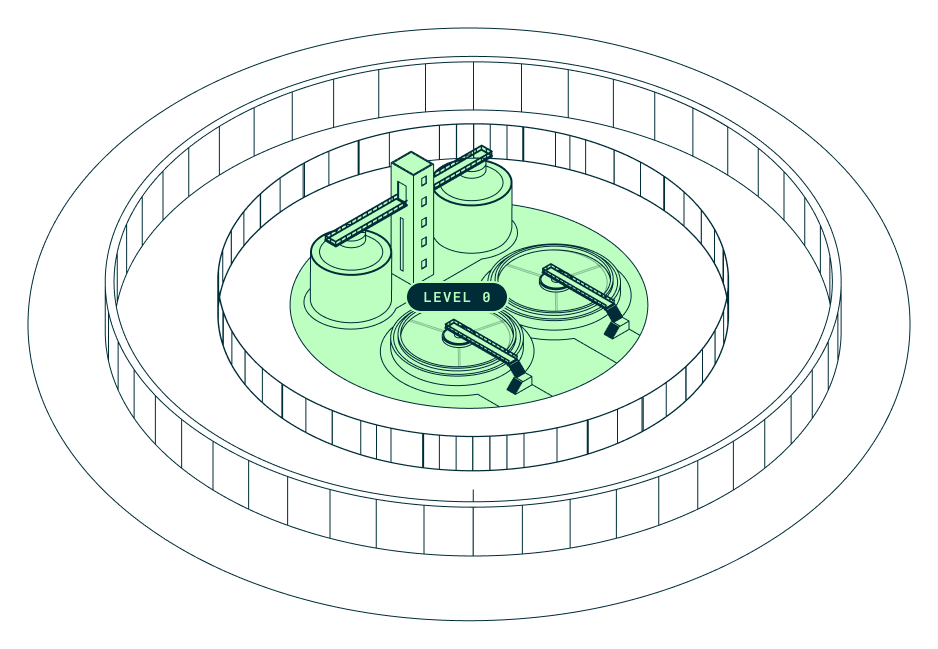
Level 0 Detection Incident Response

The physical foundation. An out-of-band hardware sensor that captures raw electrical signals to establish uncompromised "Physical Truth".

Levels 1-4 Detection Incident Response

The analytical engine. Advanced software that correlates Level 0-4 data to identify False Data Injection and stealth attacks in real-time.

Simulation

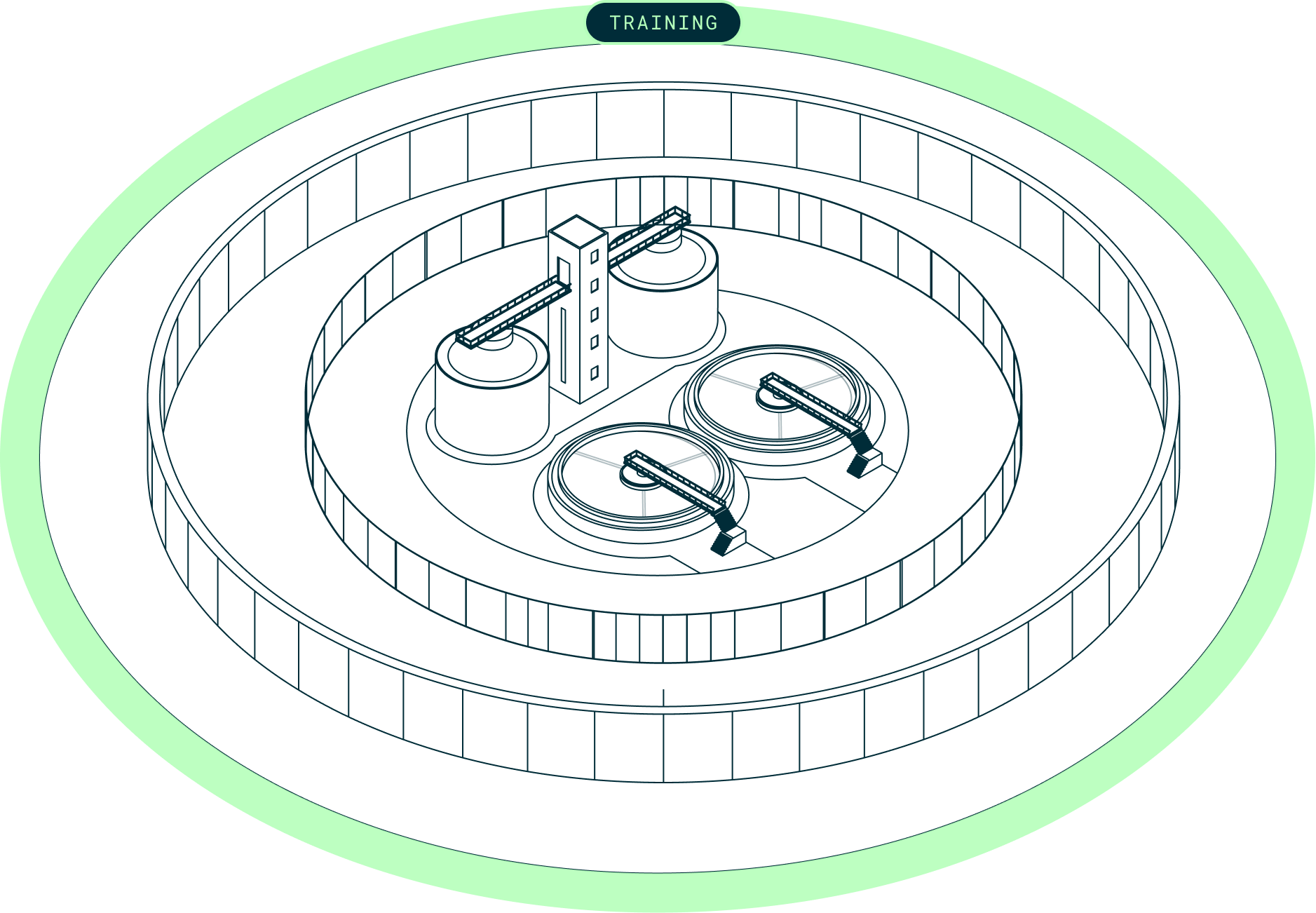
A simulator that safely injects software-based anomalies to train teams on real attack patterns without risking live equipment.
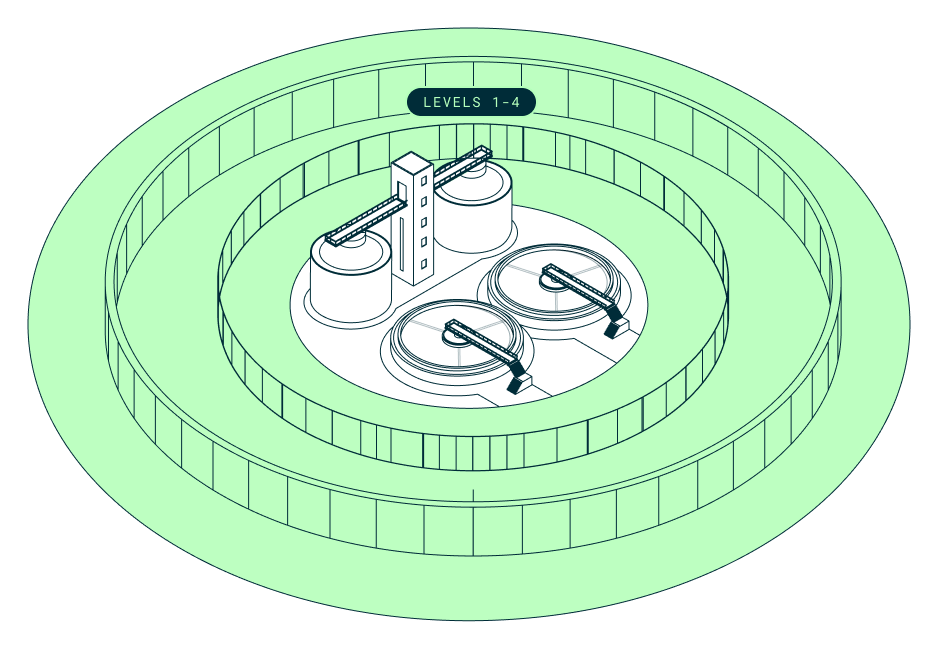
SigaGuard - Level 0 SigaGuardX - Levels 1-4 SigaPAS - Training

Key Benefits

Early Threat Detection

Detects physical impact during the exploitation phase, before processes are compromised.

High-Certainty Insights

Distinguishes genuine cyber incidents from operational faults using physical validation.

Regulatory Compliance

Provides the forensic evidence needed for NERC, NIS2, and CIRCIA reporting.

Zero Operational Risk

Fully non-intrusive, out-of-band architecture with no impact on live equipment.

Physical Process Validation for Regulatory Compliance

Oil and Gas infrastructure faces an evolving regulatory landscape where maintaining the integrity and continuity of services is now a legal requirement. SIGA provides the verifiable, process-level evidence that supports compliance with the following global standards:

TSA SECURITY DIRECTIVE PIPELINE 2021-02D:

Mandates real-time reporting of cyber incidents and protection of critical OT systems to prevent disruptions to physical pipeline operations.

ISA/IEC 62443:

Provides a comprehensive approach to securing Industrial Automation and Control Systems (IACS), specifically at the physical process level.

U.S. CIRCIA:

Requires energy sector organizations to report significant cybersecurity incidents within 72 hours, encouraging continuous monitoring of process-level operations.

EU NIS2 DIRECTIVE:

Mandates thorough incident response and risk management for OT systems, including SCADA and PLCs, to minimize harm to critical services.

Learn More

Learn how Multi-Level visibility provides an uncompromised source of truth for OT cybersecurity.
    Siga At New York Power Authority

    Frequently Asked Questions

    Most global oil and gas assets - refineries, pipelines, and upstream platforms - rely on Legacy Distributed Control Systems (DCS) and PLCs that are 20–30 years old. These systems were built for "air-gapped" environments and lack modern security features like encryption or multi-factor authentication.

    Traditional security tools focus on the Network Level (Levels 2 & 3). However, because legacy protocols like Modbus or DNP3 treat every command as "trusted," an attacker can send a malicious command that looks perfectly normal to a network monitor. SIGA shifts the observation point to Level 0 of the Purdue Model. By monitoring the raw electrical signals (I/O) directly from the copper wires of sensors and actuators, SIGA provides a "source of truth" that remains valid even if the entire control network is compromised.

    In a refinery, a pump failure and a cyberattack can look identical on a SCADA screen. The difference is intent and visibility.

    • Mechanical Failure: The physics of the equipment change, and the SCADA system usually reports that change (e.g., a "high vibration" alert).

    • Cyberattack: An attacker often uses "data spoofing" to hide their tracks—sending a signal to the HMI that says "All Clear" while they are actually over-pressurizing a pipeline.

    SIGA’s machine learning (SigaML²) establishes a baseline of the physical reality. If the raw electrical signals indicate a process deviation that the SCADA software is failing to report, SIGA flags it as a cyber breach. If the signals and the SCADA both show a deviation, it is likely a mechanical fault.

    No. To achieve effective process-level visibility, operators only need to monitor a strategic subset of critical signals - typically 3–10% of total I/O. This focused approach prioritizes high-impact assets such as emergency shutdown valves, pressure sensors, and main pump actuators, ensuring comprehensive protection without overwhelming the system with data.