
Data Center and BMS operations depend on mission-critical facilities that form the backbone of digital services and information availability.
Traditional network security fails to detect when an evolving attack manipulates cooling or power systems to compromise uptime.
SIGA provides an uncompromised source of truth and step-by-step playbooks to verify the physical state of the facility and accelerate incident recovery.
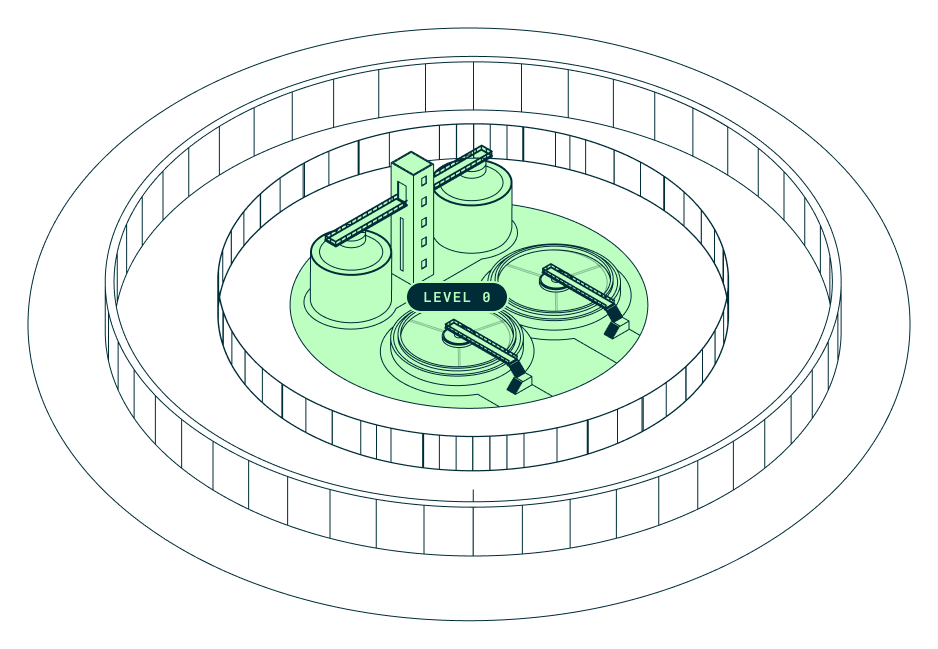
SIGA monitors raw electrical signals at Level 0 to provide an unfiltered view of the physical process.
By analyzing data directly from the source, it identifies malicious manipulation of PLC logic or sensor values – including false data injections – even when the HMI is spoofed.
Deliberate interference with main cooling system
Temperature increase in the server rooms, servers shut down due to inadequate cooling.
Unplanned downtime, possibly servers damage.
COOLING SYSTEM INTERFERENCE
The solution suite provides the earliest alerts during the expression phase of an evolving OT cyber-attack.
It supports the entire Incident Response process by offering process attack simulation for team preparation, real-time threat detection and classification, and critical decision support for containment and recovery.
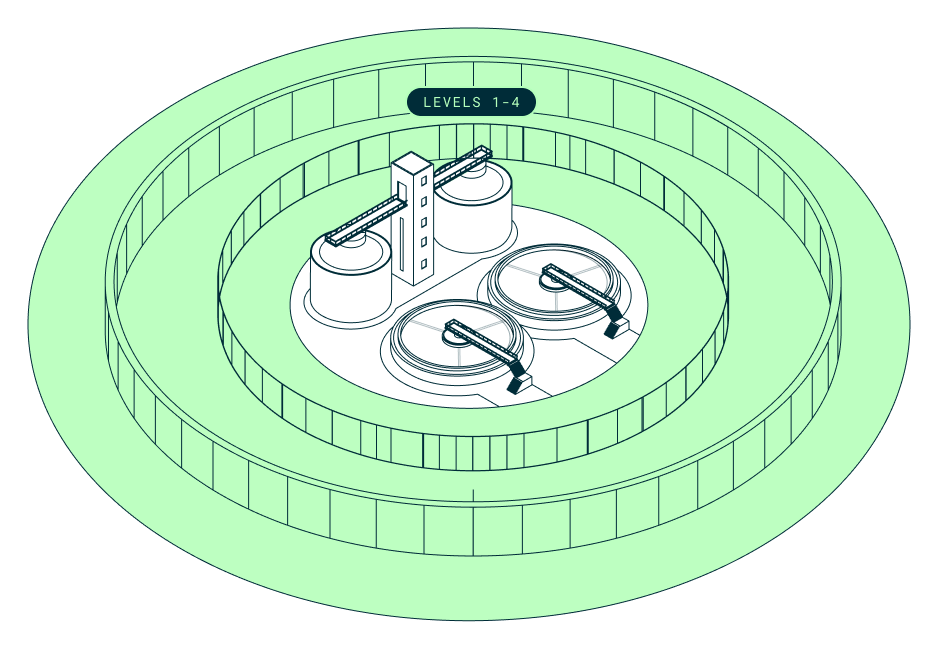
Our comprehensive, multi-level OT cybersecurity suite, comprising three standalone cybersecurity solutions:

The physical foundation. An out-of-band hardware sensor that captures raw electrical signals to establish uncompromised "Physical Truth".

The analytical engine. Advanced software that correlates Level 0-4 data to identify False Data Injection and stealth attacks in real-time.

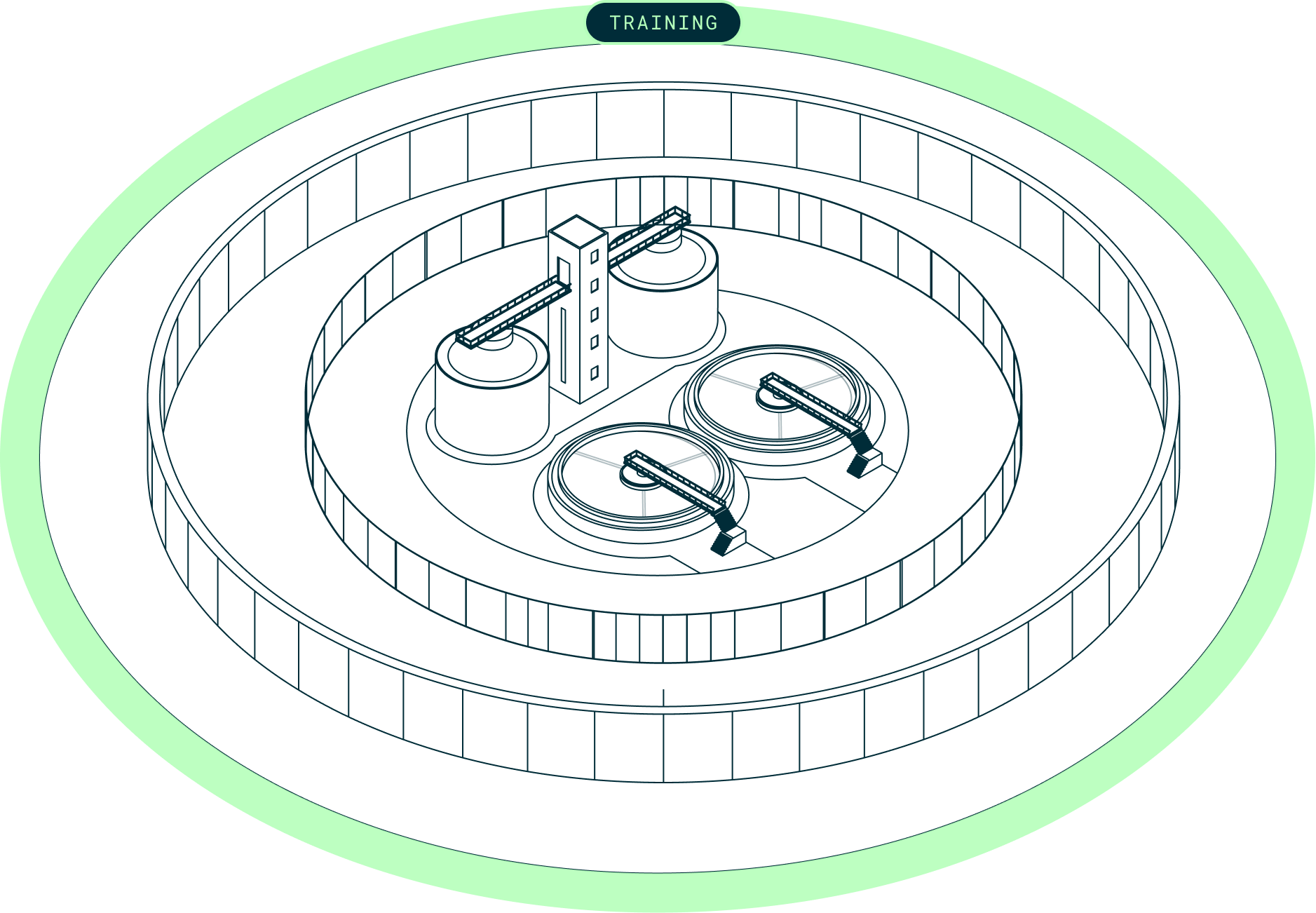
A simulator that safely injects software-based anomalies to train teams on real attack patterns without risking live equipment.
Detects physical impact during the exploitation phase, before processes are compromised.
Distinguishes genuine cyber incidents from operational faults using physical validation.
Provides the forensic evidence needed for NERC, NIS2, and CIRCIA reporting.
Fully non-intrusive, out-of-band architecture with no impact on live equipment.
Data center and BMS environments operate critical cooling, power, and security systems where the integrity of sensor and actuator data directly impacts service availability. Regulatory frameworks increasingly require continuous monitoring and protection of physical processes and just networked systems.
Physical Process Validation provides verifiable, process-level evidence that supports compliance with the following global standards:
Recognizes that Field I/O (Purdue Level 0) devices often cannot be authenticated and recommends independent monitoring to detect spoofed or manipulated physical data.
Emphasizes securing sensors and actuators within Industrial Automation and Control Systems, as compromise at this layer directly affects operational safety and reliability.
Requires risk management, incident detection, and safeguards for digital infrastructure and other essential services.
Addresses reliability and safety of energy-related process control systems supporting critical power operations.
Learn how Multi-Level visibility provides an uncompromised source of truth for OT cybersecurity.
Many data centers operate with legacy infrastructure and Building Management Systems (BMS) designed for isolated, trusted environments. These systems often utilize insecure industrial protocols that lack native encryption or the ability to validate command integrity.
This creates a structural vulnerability where an attacker can manipulate cooling or power components (potentially causing thermal shutdowns or electrical failures) without triggering traditional, signature-based network security tools.
SIGA addresses these vulnerabilities by moving the point of observation to Level 0 of the Purdue Model. By directly monitoring raw electrical signals (I/O) from the physical equipment (such as chillers, UPS systems, and HVAC units) SIGA establishes an out-of-band "source of truth". This data remains trustworthy and untamperable even if the higher-level SCADA, HMI, or enterprise networks are compromised, allowing for the detection of unauthorized logic modifications at the foundational process level.
SigaML² provides high-certainty alerts by validating system-reported values against raw electrical signals captured directly from physical hardware. By establishing a baseline of normal physical behavior through unsupervised machine learning, the system can identify discrepancies between the process-level data and the information displayed in the control software.
If the physical signals indicate a critical deviation, such as a cooling fan slowing down, while the BMS continues to report normal status, the system flags the event as a potential False Data Injection (FDI) cyber breach rather than a routine mechanical failure. This high-resolution visibility ensures that threats designed to mimic equipment wear-and-tear or "stealthy" environmental changes are exposed in real-time.
No. Effective process-level visibility is achieved by monitoring a strategic subset of critical signals, typically just 3–10% of total I/O. This focused approach prioritizes high-impact assets such as primary cooling pumps, backup generators, and power distribution units, ensuring mission continuity and operational reliability without excessive data overhead.